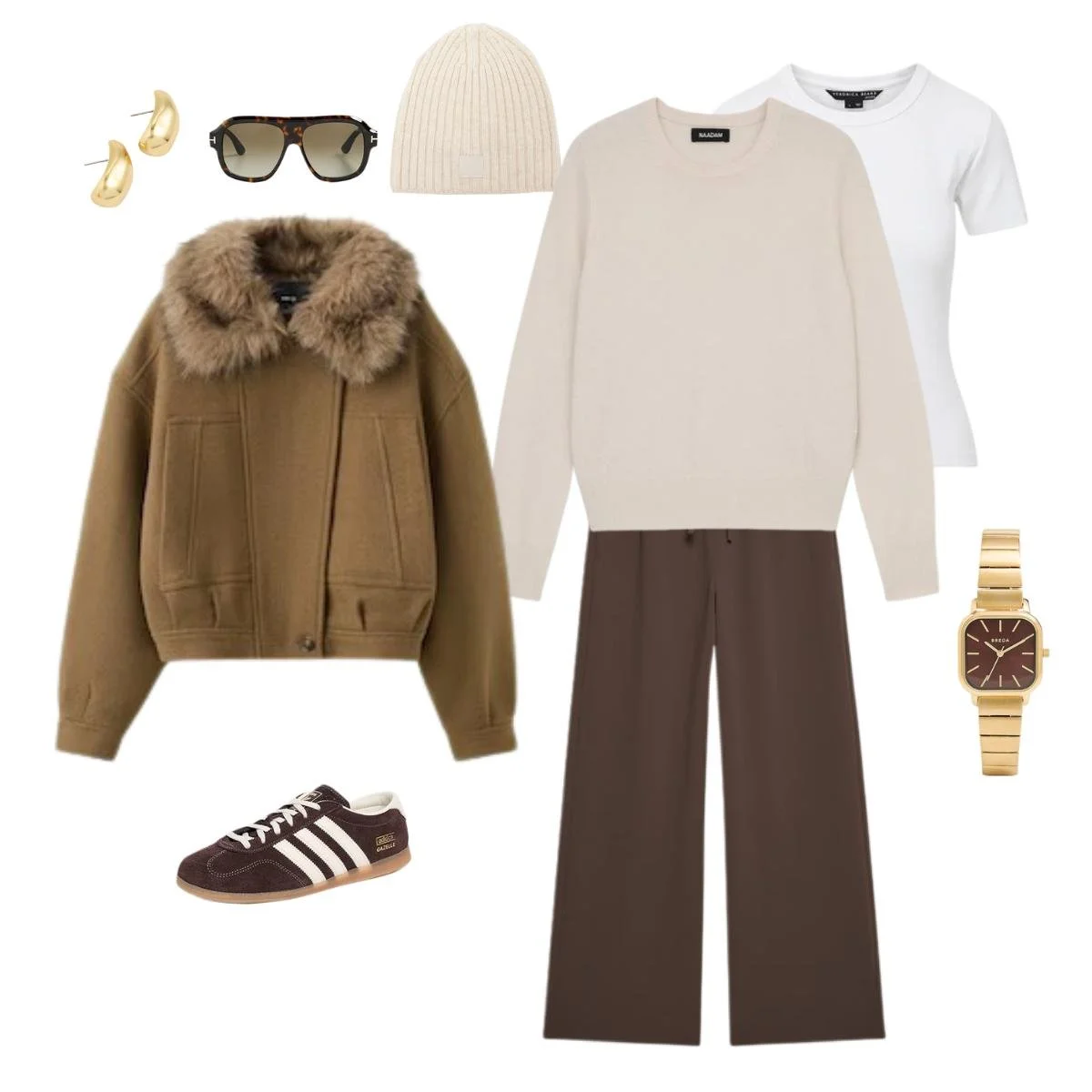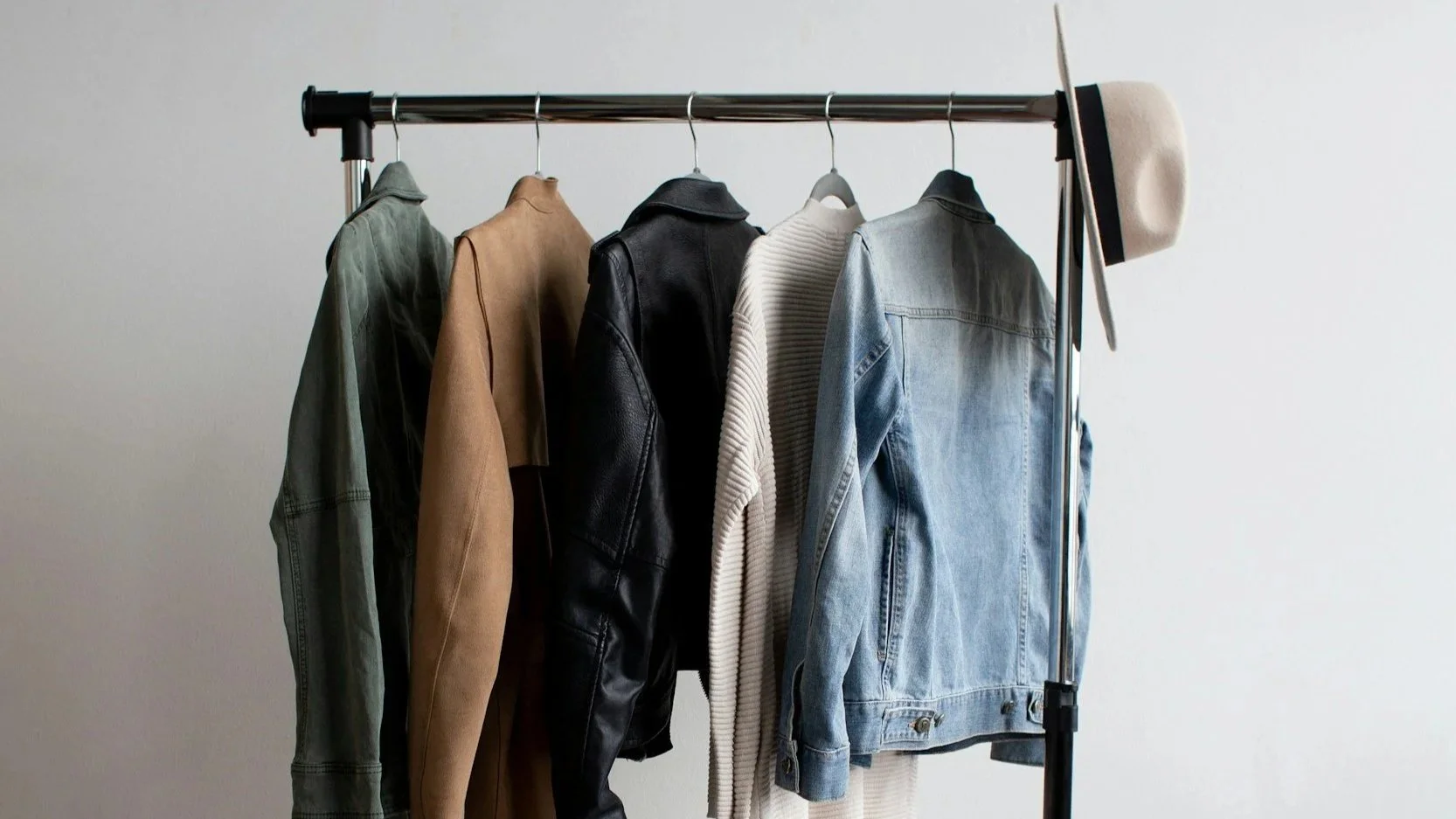
Winterwear That Will Last You A Lifetime
When shopping for winter pieces, paying close attention to the fabrication is important to ensure your garment lasts and wears well, but also for warmth. Your winter wardrobe, quite possibly more than any other seasonal pieces, needs to serve you fashionably and functionally. This week we're blending staying warm with looking luxe with a deep dive into the best fabrics for winter, and where to buy them.

In general for any season, natural fibers are going to wear better, last longer and look more elevated. At times, purchasing a natural fiber garment can be more of an investment than a synthetic one, but when looking at cost per wear, the answer is easy. Your wardrobe should be something you build on season over season, not replace and turn over every year. Good style is about rewearing your favorite pieces in new ways, and being able to build on your wardrobe year over year with quality pieces allows you to do that.
When shopping this winter, here are some key fabrics to prioritize, what makes them unique and some tips on caring for them.
1 - Wool: Many animals produce wool, but the most common come from Sheep, producing Merino, Lambswool or virgin wool. Merino wool comes from Merino sheep and is considered premium wool. It is rarely itchy and has fine, smooth fibers. Lambswool comes from a lamb's first shearing, typically when they are under 7 months old. It is slightly thicker, still warm and soft, but is usually used for chunkier knits. This fabric is more likely to pill initially, but should stabilize over time. Having a garment shaver is a must to maintain that new clean look of your sweaters. Virgin wool refers to wool that has never been previously used or recycled. It can come from any sheep breed. You'll find this more on suiting and outerwear.
Wool is an excellent natural insulator making it super warm. It is a breathable, temperature regulating fabric that is odor resistant and moisture wicking making it great for base layers for outdoor activities. When caring for these items, handwashing or a delicate wash cycle in cold water is recommended. Lay these items flat to dry, reshape if needed and don't hang them or put them in the dryer. Wool is susceptible to shrinking, so cold water and air drying is crucial to maintain the integrity of your garment.
Other wool sources that are commonly labeled by their source are: Alpaca, Llama, Camel (luxury), Yak and Angora Rabbit. If a label is simply labeled ‘wool’ it almost always means it is from a Sheep.
2 - Cashmere: Originating from Cashmere goats in Mongolia, cashmere is known for being extremely soft and lightweight. The quality of your cashmere depends on the fiber length, longer fibers mean less pilling, but there are many affordable options available. Typically, higher priced cashmere items are a good indicator of higher quality cashmere. However, proper care for your cashmere will help it last longer, even if you are opting for a more affordable piece. Hand wash or dry clean these items (sparingly). Use a cashmere comb to gently remove pills and store in a cashmere bag with a cedar pellet if you find that your sweaters are getting tiny holes in them from moths. Tiny holes can typically be repaired by a seamstress if you find one on your sweater.
3 - Leather & Suede: Made from animal hides that have been tanned to create a flexible material, leather and suede are durable materials that are a foundation for all wardrobes. Like shearling, leather and suede are a by-product of the food industry. It is naturally insulating, develops a beautiful patina over time and molds to the body with wear. This is why I always suggest genuine leather or suede for shoes, because over time they will mold and stretch to your foot making them more comfortable.
Types of leather include full-grain (highest quality), top-grain (smooth but still high quality), genuine leather (lower grain and more processed).
The difference between leather and suede is that suede is the underside of the hide, buffed to create a soft velvet texture. It brings beautiful texture to a look but does require more care.
Be sure to store your items out of sunlight as this can change the color of your leather/suede and will also dry it out. Leather conditioner is recommended and suede protector spray is essential before wearing.
4 - Shearling & Fur: Shearling is a single natural material with leather on one side and soft wool on the other. It is a by-product of the food industry, making it a thoughtful alternative for those who prefer not to wear traditional fur. It is known for being exceptionally warm and soft, yet durable. It comes from Sheep and the texture is short curly wool. You often see shearling on coats, but with its recent popularity in current trends, shearling is being used on other items like handbags and shoes.
Fur is the more dramatic and statement making relative to shearling, known for its long flowing hair and multiple animal sources. Recently, the CFDA banned animal fur at New York Fashion week and as a result, we've seen more quality faux fur options available as people look for a cruelty free alternative to this luxe look. If you're someone who loves genuine fur, there are great vintage options that can be easily found at second hand stores.
5 - Down: Made from the soft under feathers of geese and ducks, down is known for being extremely warm, lightweight and compressible. Down is also a by-product of the food industry, but to ensure your down is humanely sourced, look for any one of the following certifications: RDS (Responsible Down Standard), TDS (Traceable Down Standard)or Global Traceable Down Standard. When shopping for a puffer coat, be sure it is down filled versus poly filled to make it warm.
Shop the winter fabrics guide here.